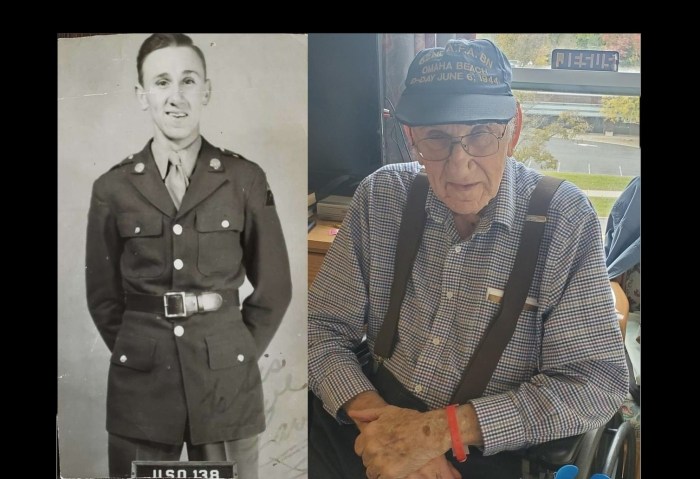
Step into the realm of World War II Legacy, where history unfolds in ways that continue to shape our world today. Brace yourself for a journey filled with impactful stories, transformative changes, and lasting legacies.
From the global impact to societal transformations, this topic delves deep into the aftermath of one of the most defining moments in history.
World War II Legacy
World War II had a profound impact on global history, shaping the world we live in today. The consequences of this monumental conflict continue to influence societies worldwide and international relations post-war.
Impact on Modern Societies
- The devastation caused by World War II led to significant changes in social structures and norms.
- The war accelerated technological advancements, particularly in the fields of aviation, medicine, and communication.
- The Holocaust and other war crimes committed during World War II have had lasting effects on global attitudes towards human rights and genocide prevention.
Shaping International Relations
- The end of World War II marked the beginning of the Cold War, a period of intense rivalry between the United States and the Soviet Union.
- The creation of the United Nations in 1945 aimed to prevent future conflicts and promote international cooperation.
- The division of Germany and the establishment of NATO and the Warsaw Pact reshaped the geopolitical landscape of Europe.
Society History
During World War II, societal structures and norms underwent significant transformations due to the widespread destruction, displacement of populations, and changing roles of men and women in the workforce. The impact of the war resonated for decades to come, shaping cultural practices, traditions, and human rights movements.
Transformation of Societal Structures
- The war led to a shift in gender roles as women took on more responsibilities in the absence of men who were fighting on the front lines.
- Military conscription and the need for labor in wartime industries brought people from different backgrounds together, breaking down social barriers.
- The devastation caused by the war forced societies to rebuild and reorganize, leading to new systems of governance and social programs.
Long-Term Effects on Cultural Practices
- Many cultural traditions were lost or altered during the war, as communities struggled to preserve their heritage amidst the chaos.
- The influx of refugees and displaced persons introduced new customs and traditions to host countries, enriching cultural diversity.
- The war’s impact on art, literature, and music led to the emergence of new forms of expression that reflected the trauma and resilience of the human spirit.
Influence on Human Rights Movements
- The atrocities committed during World War II, such as the Holocaust and the use of atomic bombs, galvanized global efforts to protect human rights and prevent future conflicts.
- The Universal Declaration of Human Rights, adopted by the United Nations in 1948, was a direct response to the violations of human dignity witnessed during the war.
<liThe war served as a catalyst for the civil rights movement in the United States and the fight against discrimination and inequality around the world.
SOCIETY MILITARY
During World War II, significant technological advancements revolutionized military warfare, leading to a shift in tactics and strategies employed by different countries. The role of propaganda also played a crucial part in shaping public opinion and influencing the outcome of the war.
Technological Advancements in Military Warfare
Advancements in technology during World War II greatly influenced the way wars were fought. Some key technological developments include:
- The development and use of tanks, which played a crucial role in ground warfare.
- The introduction of aircraft carriers, which transformed naval warfare and enabled long-range air strikes.
- The innovation of radar technology, which revolutionized air defense and early warning systems.
- The creation of the Enigma machine and other cryptographic devices, which enhanced communication security.
Strategies Employed by Different Countries
Various countries adopted specific strategies to gain an advantage during World War II. Some notable strategies include:
- The Blitzkrieg tactic used by Germany, which involved rapid and coordinated attacks to overwhelm the enemy.
- The island-hopping strategy employed by the United States in the Pacific theater to gradually advance towards Japan.
- The use of strategic bombing by the Allied forces to target key industrial and civilian areas in Germany and Japan.
Role of Propaganda in Shaping Public Opinion
Propaganda played a crucial role in influencing public opinion and garnering support for the war effort. Governments used propaganda to sway public perception, boost morale, and demonize the enemy. Some key propaganda techniques include:
- Poster campaigns depicting heroic soldiers and demonizing enemy leaders.
- Radio broadcasts spreading patriotic messages and war updates.
- Film productions showcasing the bravery of soldiers and the sacrifices made on the home front.
SOCIETY PEOPLE
In World War II, numerous individuals played significant roles that shaped the course of history. From leaders to soldiers to ordinary civilians, each person’s story contributes to the rich tapestry of this global conflict.
Impact of World War II on Civilians
During World War II, civilians faced immense challenges and disruptions in their everyday lives. Many had to endure bombings, rationing of essential supplies, and forced relocation. The war brought about a sense of uncertainty and fear, as people struggled to cope with the harsh realities of conflict.
- Women took on new roles in the workforce to support the war effort, stepping into positions traditionally held by men.
- Children experienced the trauma of separation from their families and the loss of normalcy as schools closed and resources became scarce.
- Seniors faced increased hardships as they dealt with limited access to healthcare and essential services.
“We had to make do with what little we had and find strength in each other to survive.”
Experiences of Marginalized Groups
Marginalized groups, such as minorities, the disabled, and LGBTQ+ individuals, faced unique challenges during World War II. They often encountered discrimination and persecution, adding an additional layer of hardship to an already tumultuous time.
- Many minorities were subjected to internment camps or faced violence and discrimination in their communities.
- Individuals with disabilities were often overlooked or mistreated, struggling to access necessary resources and support.
- LGBTQ+ individuals faced persecution and were forced to hide their identities to avoid being targeted by authorities.
Final Wrap-Up
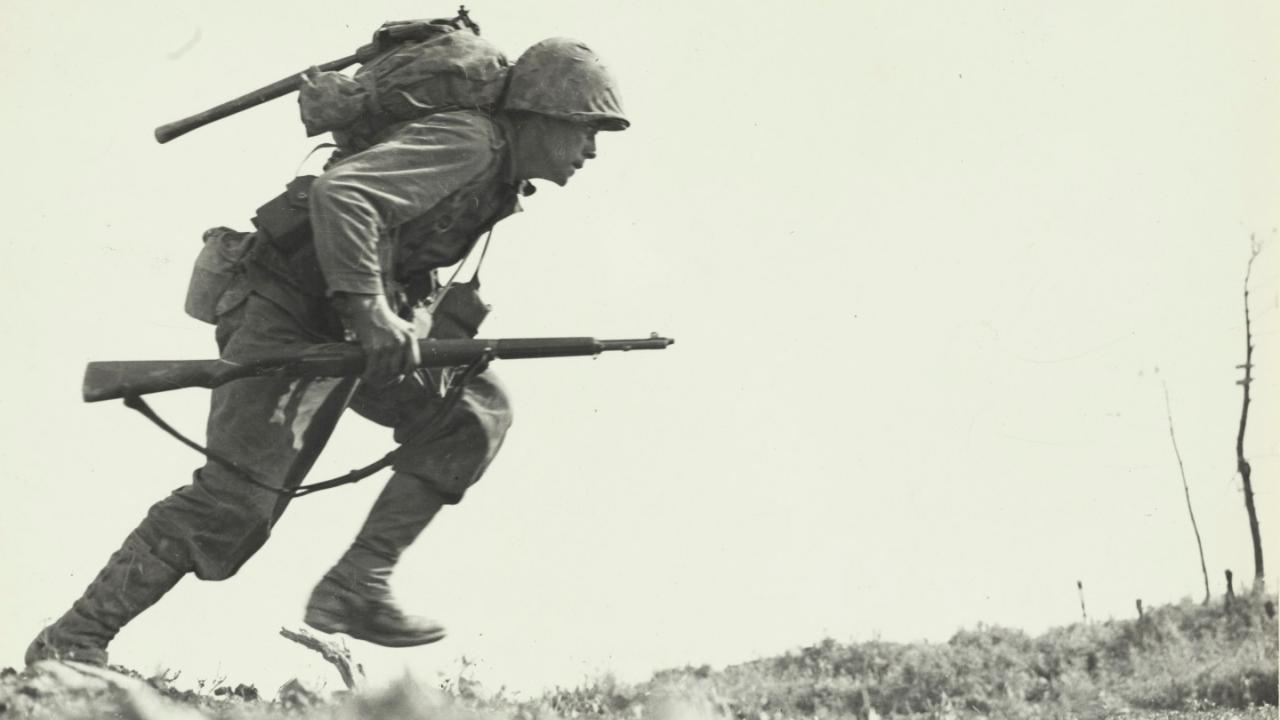
As we wrap up our exploration of World War II Legacy, we reflect on the enduring effects it has had on our societies, cultures, and international relations. The echoes of that monumental conflict still resonate in our modern world, reminding us of the importance of understanding our past to shape a better future.
Query Resolution
How did World War II impact global history?
World War II reshaped the geopolitical landscape, leading to the rise of new superpowers and the establishment of international organizations like the United Nations.
What were the long-term effects of World War II on cultural practices?
The war brought about significant changes in cultural norms and values, influencing art, literature, and societal attitudes in the post-war era.
Who were some individuals that played significant roles in World War II?
Leaders like Winston Churchill, Franklin D. Roosevelt, and figures like Anne Frank and Rosie the Riveter left a lasting impact on the war and its aftermath.
How did World War II influence the development of human rights movements?
The atrocities of the war highlighted the importance of protecting human rights, leading to the creation of international human rights conventions and organizations.